
Last week, I introduced a series of blog posts, “Looking Backwards to Look Forward” as I begin to contemplate the end of my 8-year tenure as Head of the Ottawa Jewish Community School. They will not come in consecutive weeks, however, this week, I will move forward with the first post of this series focused on one of our North Stars that was, in fact, my “North Star” before becoming our North Star – an approach that has defined my work across all headships and in the field itself, so much so, that it is the actual title of my blog: “A Floor, But Not a Ceiling”.
Introduction (Looking Backwards):
When I first wrote about personalized learning at the Ottawa Jewish Community School (OJCS), I described our foundational promise to parents clearly:
“The promise we make to parents is that there will be an appropriately rigorous independent-school floor for every child, and no ceiling on expectations for how far each child may fly. Our responsibility is to lovingly push each child toward his or her maximal potential.”
This metaphor of a sturdy “floor” paired with limitless “ceilings” guided our pedagogical decisions from day one.
What We’ve Learned (Anchored in Real Examples):
Looking back, personalized learning emerged as one of our most impactful educational innovations—deepening student engagement and improving outcomes precisely because we took personalization seriously. Authentic personalization at OJCS meant understanding the unique starting points of each learner and providing genuine opportunities for meaningful growth.
Specific examples brought this promise vividly to life in our classrooms:
- SK Literacy: When a student arrives in Senior Kindergarten already reading fluently, s/he is not asked to spend the year sounding out letters. Instead, s/he receives immediately challenging reading materials aligned with their advanced skills.
- Grade 2 Math Enrichment: Grade 2 students demonstrating mastery of grade-level math concepts aren’t left unchallenged; they are provided enrichment opportunities to go both deeper and father, but in-class and with pull-out enrichment opportunities.
- French DELF Certification: In French studies, personalized learning was evident through our preparation for the Diplôme d’Études en Langue Française (DELF) assessments. Rather than teaching French as a one-size-fits-all course, students engaged in language instruction targeted to their individual proficiency, allowing them to earn internationally recognized certifications that authentically matched their skill levels.
- Grade 4 Jewish Studies: Students explored Jewish identity through personalized projects, like those featured on the Grade 4 Jewish Studies Blog, where each child’s individual experiences and questions shaped meaningful Jewish learning.
- Middle School Science Inquiry: As highlighted in our Middle School Science Blog, students don’t merely cover the curriculum—they pursue independent, interest-driven inquiries, taking their explorations beyond foundational standards to areas of personal passion.
These examples weren’t isolated; they represented the broader culture of differentiated teaching and learning we intentionally cultivated. [Want to see tons of examples across the grades and curricula? Check out the OJCS Blogosphere & OJCS Student Blogfolios!]
Challenges and Realizations (Anchored in Artifacts – CAT-4 Analysis):
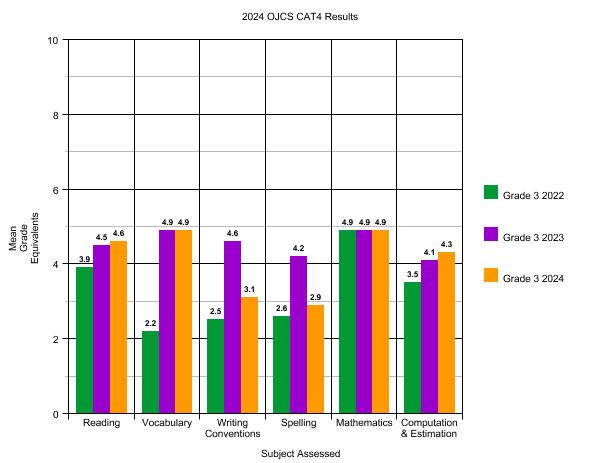
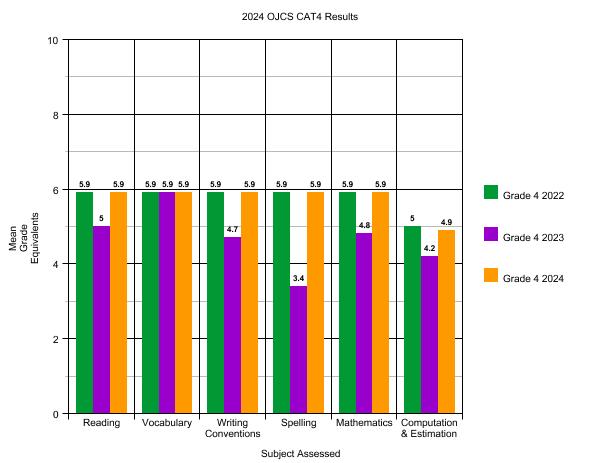
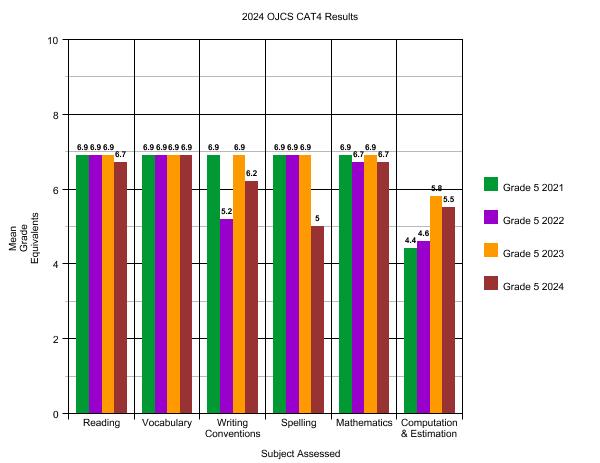
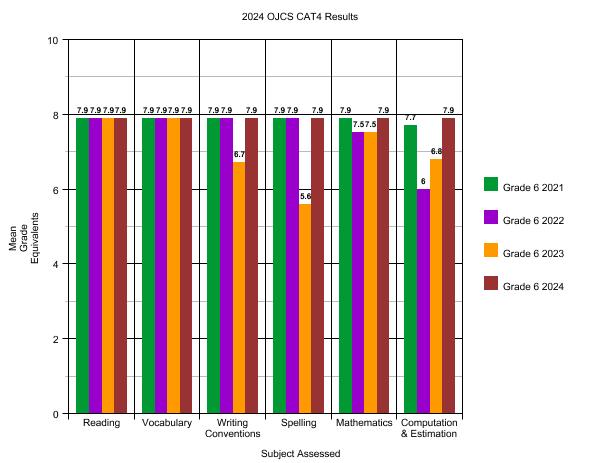
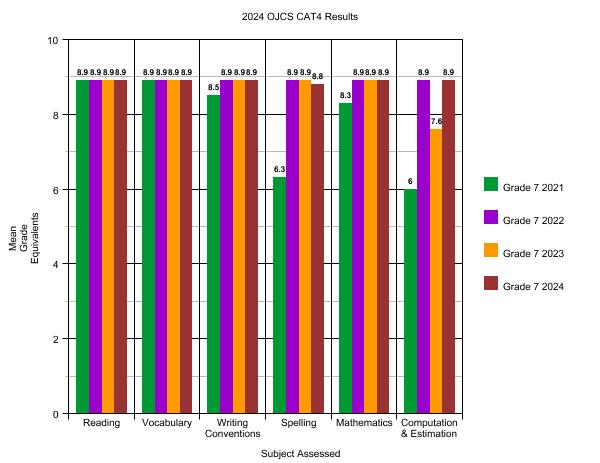
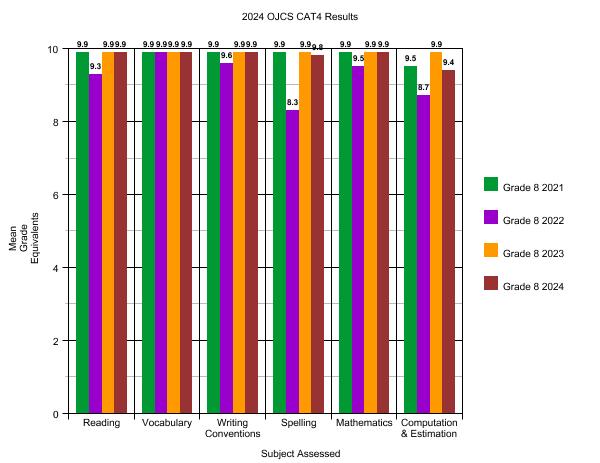
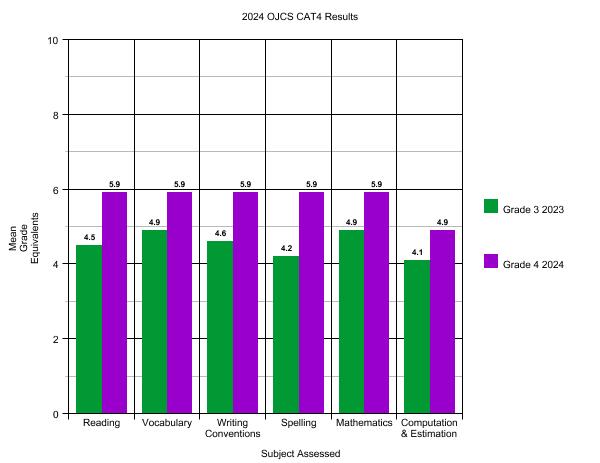
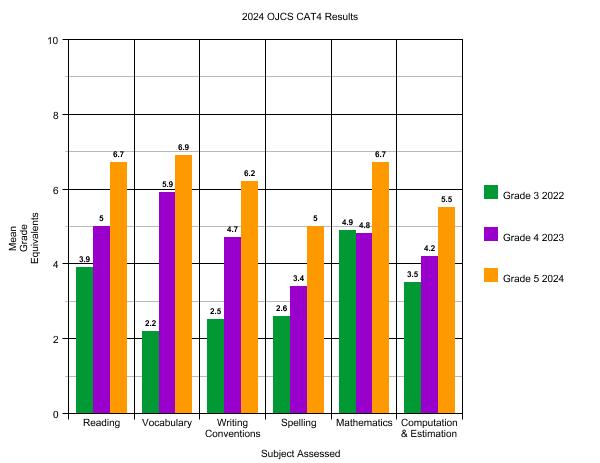
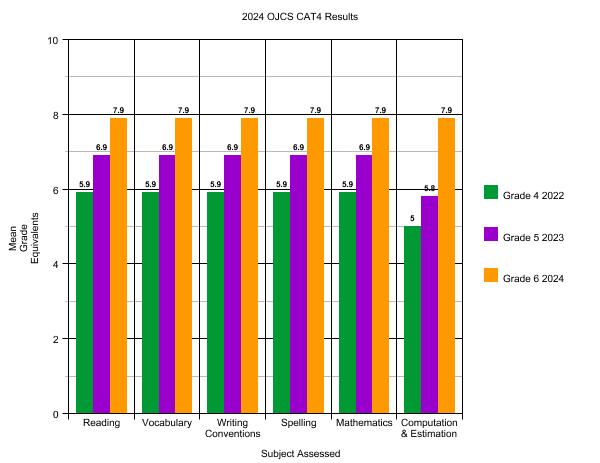
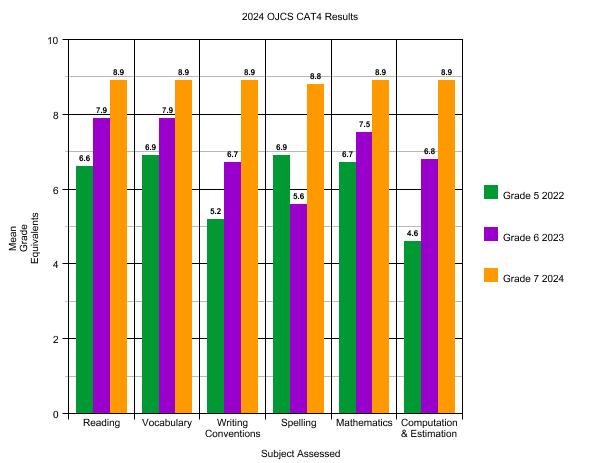
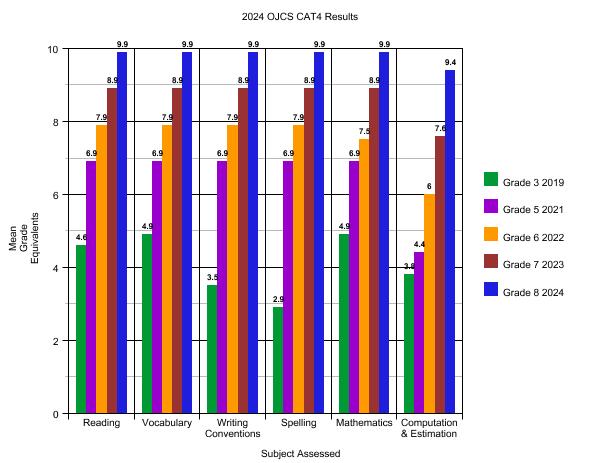
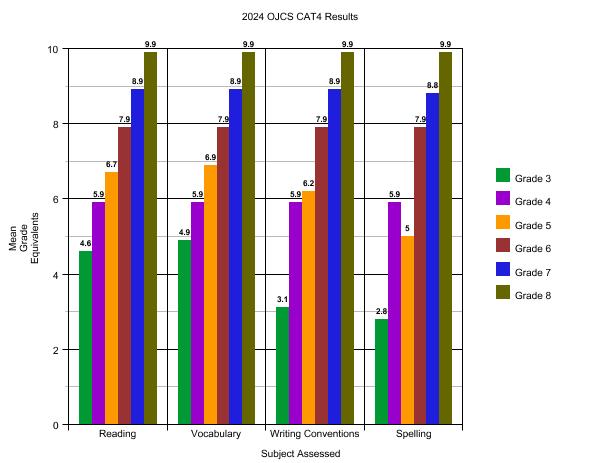
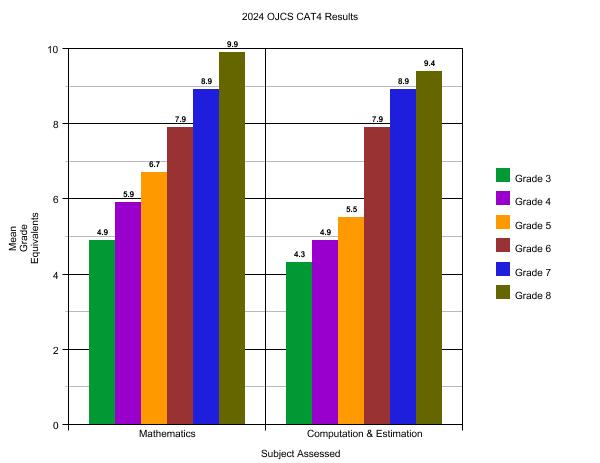
Yet, even as we celebrated successes, our annual reflections—particularly my detailed blog posts analyzing CAT-4 standardized test results—reminded us of areas needing attention. As repeatedly documented, data often validated our success at pushing high-achieving students even further but also raised persistent questions:
- Were we consistently and effectively reaching every child—especially those requiring intensive support—to ensure our “floor” was genuinely rigorous for all?
- Could personalized learning unintentionally widen achievement gaps, making equity even more essential?
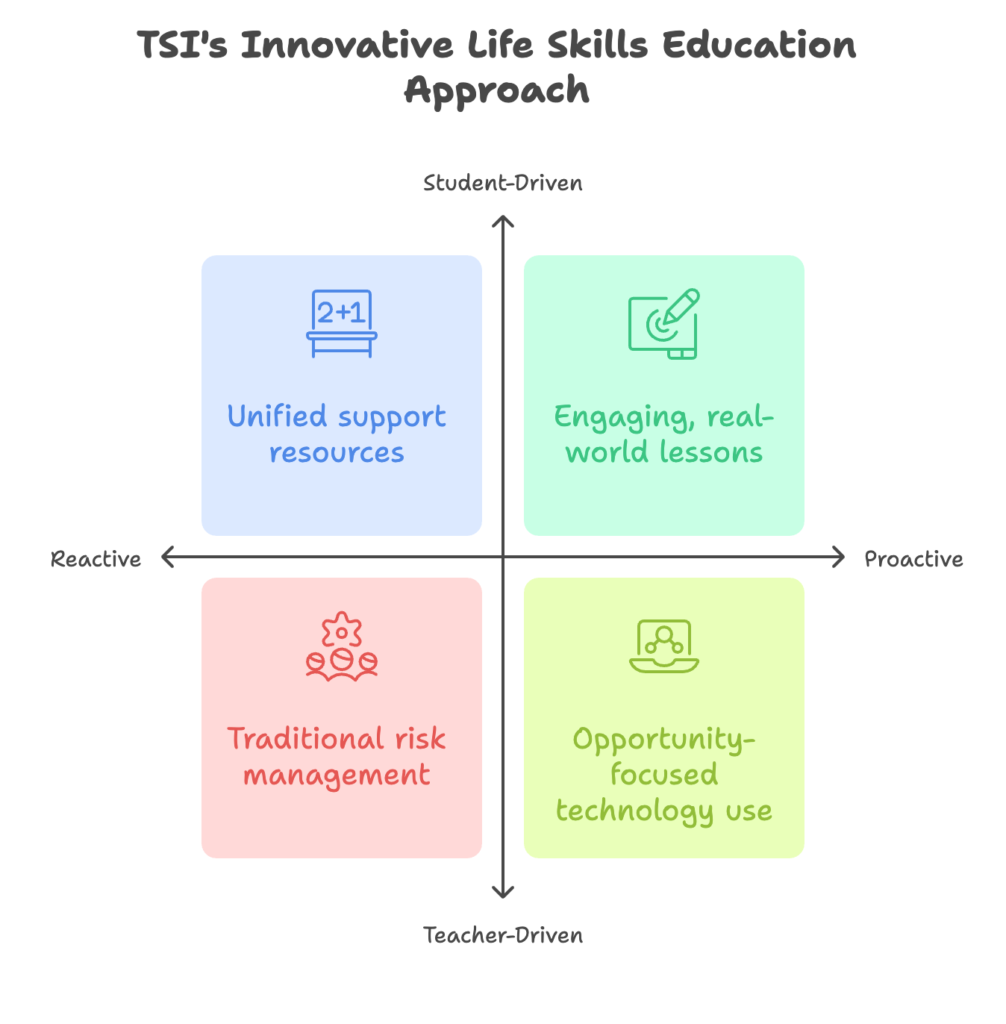
Our response to these insights often include integrating evidence-based practices. For literacy, for example we are informed by the “Science of Reading”, reflected in our adoption of the Amplify literacy platform. Amplify allows teachers to use precise, data-driven insights to personalize instruction effectively. Similarly, platforms like IXL provided personalized, adaptive practice across multiple subjects, ensuring all students progressed meaningfully from their unique starting points.
Further, our comprehensive student-support network—covering enrichment programs, remediation, resource services, and ESL—ensure personalized learning remained inclusive and equitable, helping bridge potential gaps.
Looking Forward (Guiding Questions):
Reflecting authentically on these insights prompts critical guiding questions as we look ahead:
- How can we deepen professional development so every teacher feels confident and well-equipped to personalize instruction effectively across subjects—from French to Jewish Studies, from Math enrichment to literacy intervention?
- What new systems or approaches are needed to guarantee our personalization truly benefits every learner, particularly those most at risk of falling behind?
- How will we consistently leverage data-driven reflection—such as our annual CAT-4 results and insights from platforms like Amplify and IXL—to continuously adjust and improve?
- What new assessments will we create to ensure we apply the same rigour to Hebrew and Jewish Studies as we do to secular content?
As we move forward, our commitment to personalized learning remains steadfast yet nuanced. We must ensure the educational “floor” remains robust and rigorous for every student, while genuinely eliminating ceilings—so each child truly has the opportunity to soar exactly as far as their unique potential can carry them.







 As the eve of a new Jewish Year approaches, it is my most sincerest hope that this is the year we’ve been waiting for. To all the teachers, staff, parents, students, donors, supporters, and friends in this special school- thank you for your enthusiasm and your hard work. 5785 is shaping up to be a quite an amazing year!