
Happy Friday!
Here we are on literally the last day of school – for teachers – and before we head into Canada Day Weekend and the true start of summer (for us!), it is my sincere joy and pleasure to be able to share a picture of the amazing human beings who will be teaching our children and leading our school into the 2024-2025 school year at the Ottawa Jewish Community School.
This is the first year of what will be the beginning of my eighth year at OJCS where I have exactly ZERO preambles or caveats. (Wait, what? You are just going to tell us what we are here to see and not force us to read an extra 500 words? Yup!)
Get excited about this gifted and loving group of teachers and administrators, who will partner with our parents in the sacred work of educating our children. I know I am!
The 2024-2025 OJCS Faculty & Staff
Lower School General Studies Faculty
- Kindergarten: Andréa Black, Amy Kluke (EA) & EA (TBD) [TWO Classes]
- Grade One: Julie Bennett [TWO Classes]
- Grade Two: Ann-Lynn Rapoport [TWO Classes]
- Grade Three: Caitlin Honey [TWO Classes]
- Grade Four: Charles Watters [TWO Classes]
- Grade Five: Melissa Thompson
Lower School Jewish Studies Faculty
- Kitah Gan: Jaqui Gesund Kattan [TWO Classes]
- Kitah Alef: Ada Aizenberg [TWO Classes]
- Kitah Bet: Dana Doron [TWO Classes]
- Kitah Gimmel: Susan Wollock [TWO Classes]
- Kitah Dalet: Sigal Baray [TWO Classes]
- Kitah Hay: Marina Riklin
Lower School French Faculty
- Kindergarten: Maryse Cohen [TWO Classes]
- Grade One: Maryse Cohen & Efi Mouchou [TWO Classes]
- Grade Two: Efi Mouchou [TWO Classes]
- Grade Three: Aaron Polowin [TWO Classes]
- Grade Four Core: Aaron Polowin
- Grade Four Extended: Dr. Sylvie Raymond
- Grade Five Core: Dr. Sylvie Raymond
- Grade Five Extended: Efi Mouchou
Middle School Faculty
[NOTE: There will be two Grade 6s.]
- Science: Josh Ray
- Mathematics: Chelsea Cleveland (Grades 6 & 7) & Josh Ray (Grade 8)
- Language Arts: Jess Mender
- Social Studies: Michael Washerstein
- Extended French: Wanda Canaan
- Core French: Dr. Sylvie Raymond
- Hebrew Alef: Jaqui Gesund Kattan
- Hebrew Bet: Liat Levy
- Jewish Studies: Mike Washerstein
- Rabbinics: David Kogut
Specialists
- Art: Dina Medicoff
- Music: David Kogut
- French Language PE: Stéphane Cinanni & Aaron Polowin
- Library: Brigitte Ruel
Leads
- OJCS Makerspace: Josh Ray
- Rabbi Bulka Kindness Project: Michael Washerstein
- Student Life: Jess Mender
Department of Special Education
- Ashley Beswick, Student Support Coordinator
- Faye Mellenthin, Grades 5-8 Resource Teacher
- Marina Riklin, Math Resource Teacher
- Chelsea Cleveland, Math Resource Teacher
- Reading Specialist, Reading Resource Teacher
- Corinne Baray, Jewish Studies & ESL Resource Teacher
- Wanda Canaan, French Resource Teacher
Administration
- Josh Max – Director of Technology
- Ellie Kamil – Executive Assistant to the Head of School
- Yulia Elgin – Director of Development
- Elena Ivanova – Chief Accountant
- Jennifer Greenberg – Director of Recruitment
- Sharon Reichstein, Director of Special Education
- Melissa Thompson – Vice Principal
- Keren Gordon – Principal
- Dr. Jon Mitzmacher – Head of School

You may notice some familiar faces in new places…
…you will notice that although she is maintaining a healthy teaching portfolio, we are thrilled to announce that Melissa Thompson has been promoted from “Coordinator” to “Vice Principal” that officially marks her transition to being part of Administration. This is not only well-deserved based on her extraordinary work over her time at OJCS, but also much-needed as we reach towards those North Stars as a still-growing school. Along with Ms. Gordon and myself, the addition of Mrs. Thompson in this role will ensure greater accountability and that we raise the bar of excellence in our classrooms and across our programs.
…you may also notice that David Kogut will expand his portfolio next year as he adds Middle School Rabbinics to Music as a full-time JS Teacher. Moreh David has his MA in Jewish Education from the Azrieli School of Education at Yeshiva University and brings years of teaching and administrative experience into his expanded role. We are incredibly grateful to Morah Corinne who has built a strong foundation in Rabbinics for Moreh David to build upon and are excited that Morah Corinne will have an opportunity to further develop her ESL and Hebrew Resource programs.
…and as sad as we are that Morah Yulia will no longer be formally teaching in the Jewish Studies Department next year, we are thrilled that Ms. Elgin will be dedicating all her extraordinary energy to Development.
You may notice two familiar faces missing…
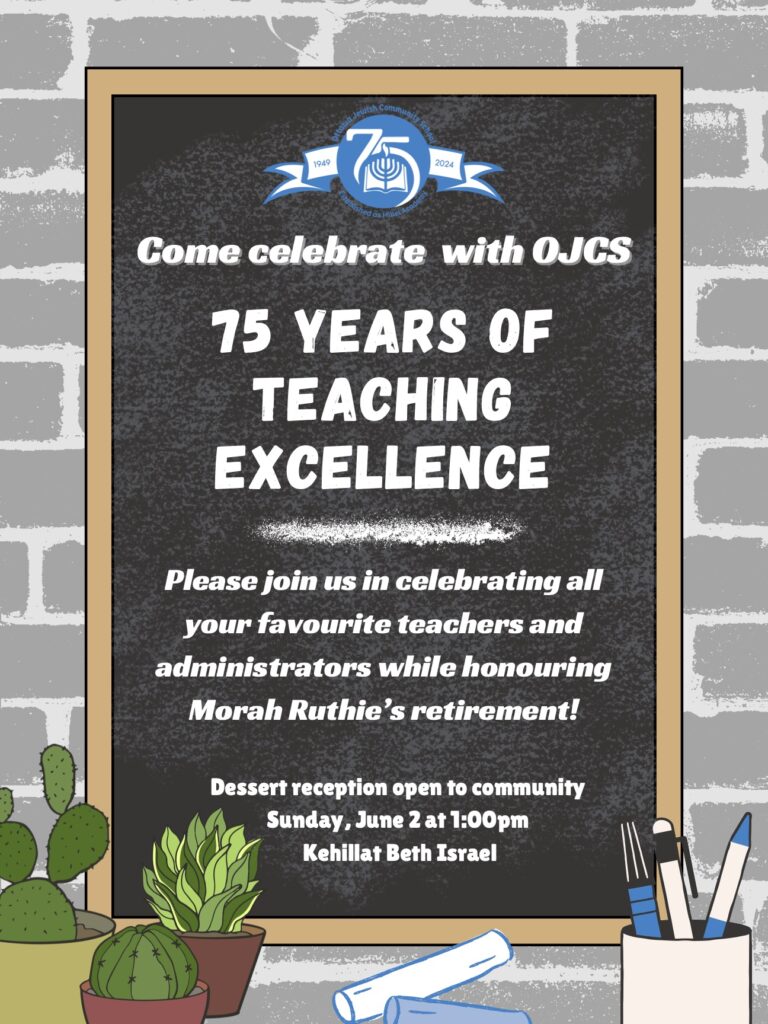
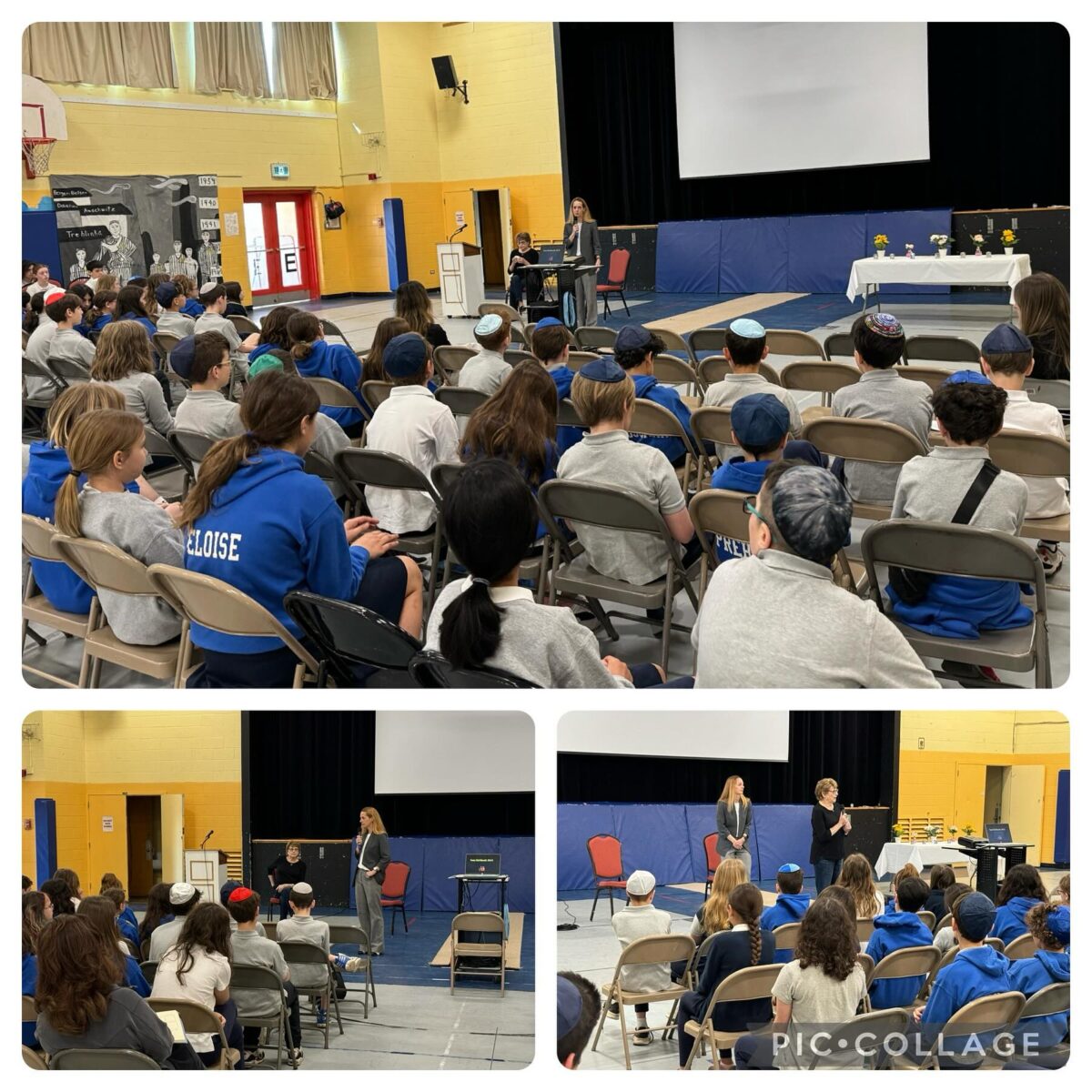
…we took time a few weeks back to commemorate and celebrate the remarkable 37-year career of Ruth Lebovich – Morah Ruthie – as she has now officially retired from OJCS. There is not enough space here to repeat all that we shared about her as part of our “OJCS Celebrates 75 Years of Teaching Excellence” event, but suffice it to say that she leaves an unparalleled legacy and huge shoes to fill. We feel confident that for Morah Ruthie we are simply saying l’hitraot and not shalom as we expect to be seeing her and learning from her – albeit differently – for years to come.
…we are also saying good-bye to Lianna Krantzberg – Morah Lianna – who will be moving on from OJCS to take on new challenges as she enters the next phase of her career. Having an alumna as a teacher is a special thing, indeed, and it has been our pleasure to literally watch Morah Lianna grow up in so many ways within our doors. We wish her an early mazal tov as her wedding draws near, and all the best in her next professional chapter.
Do you notice what you don’t see? Any significant open positions! What?! Yes, other than adding one additional EA for SK and a Reading Resource Specialist to ensure we are providing as much resource as needed, we are heading into summer without any significant search processes! Stability, anyone? Yes, please!
Please note that I intend to take a pause from weekly blogging as we head into summer. Of course, should the spirit move me, or an issue arises that warrants it, I will blog intermittently, until resuming my weekly routine a week or so before our teachers return for Pre-Planning Week 2024.
Happy summer!

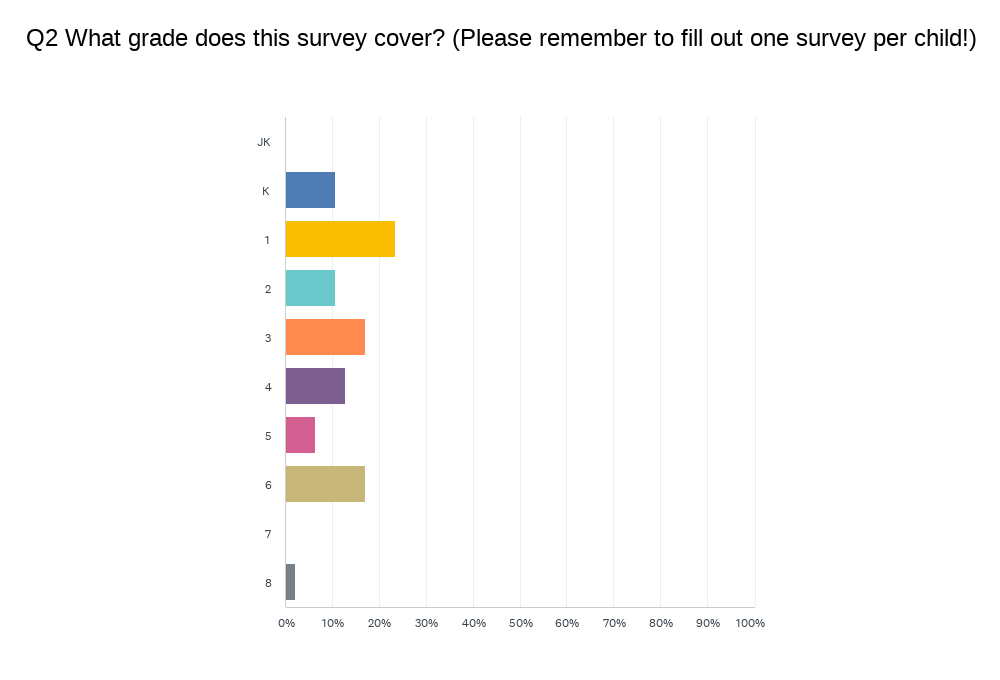
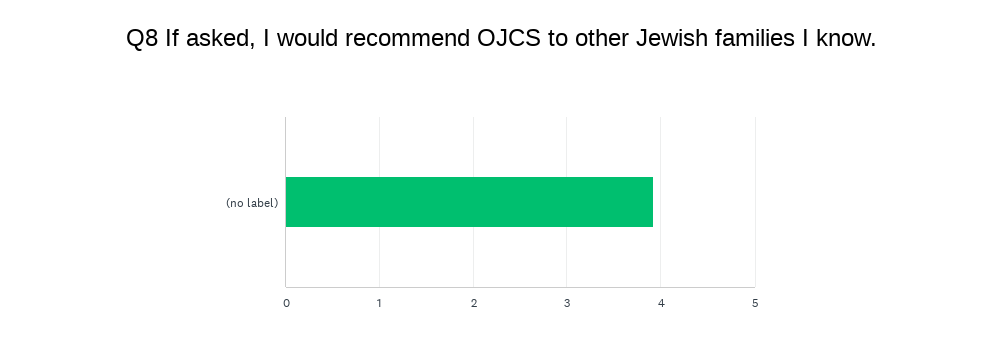
 Without knowing how representative this fifth of students is, this year’s data set is lighter on the “no’s”. Of course the “no’s” are always complicated to unpack because we have no way of knowing who of the “no’s” represent graduation or relocations, as opposed to choosing to attrit prior to Grade 8. However, what continues to be true is that the overwhelming majority of families – regardless of their feedback – stay with us year-after-year. This continues to say a lot about them and a lot about us.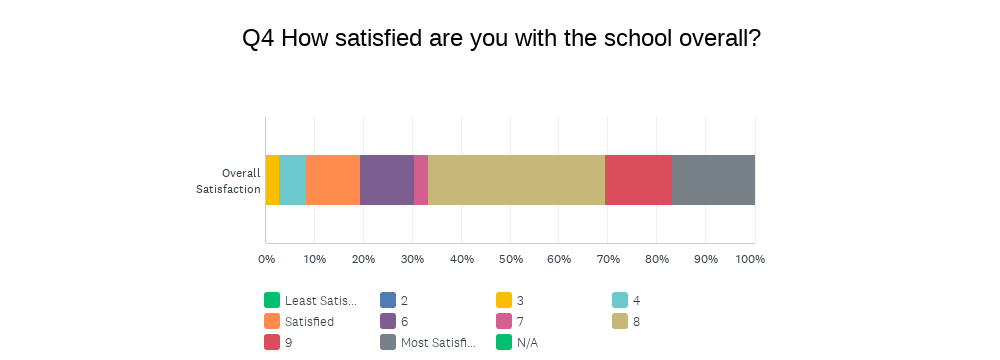
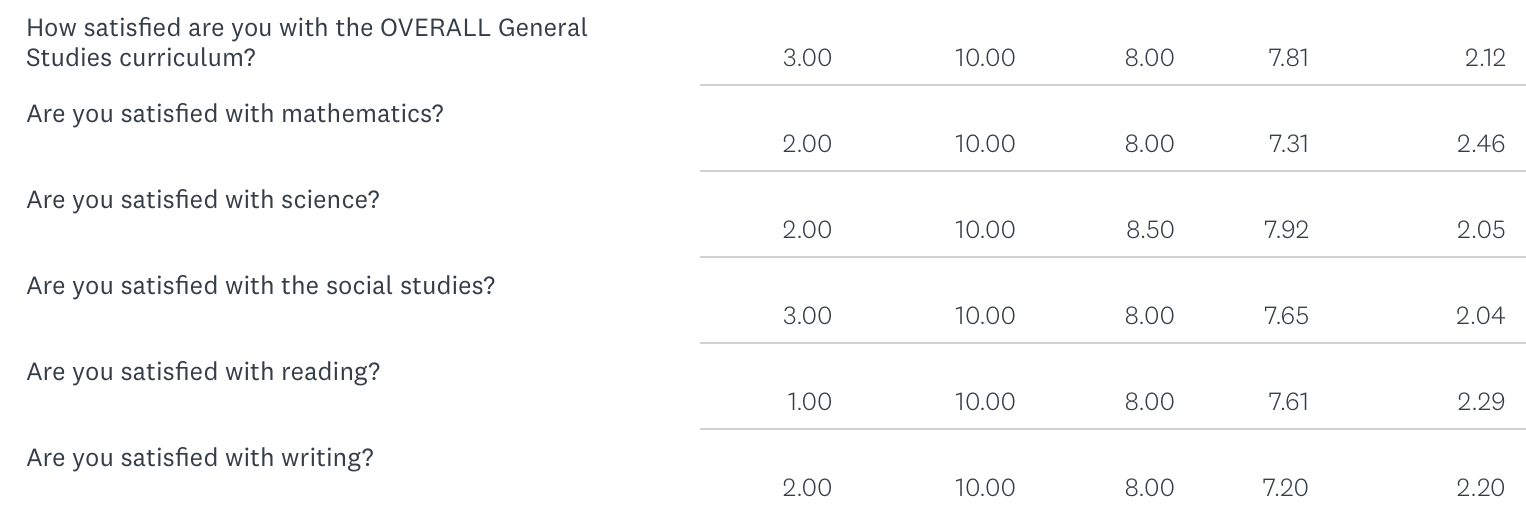
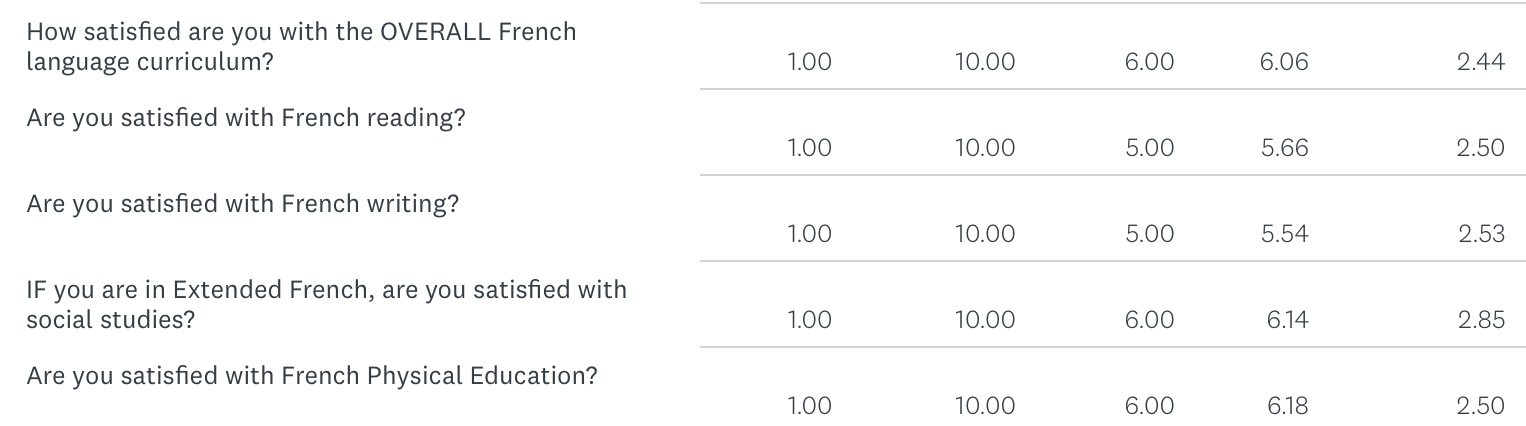
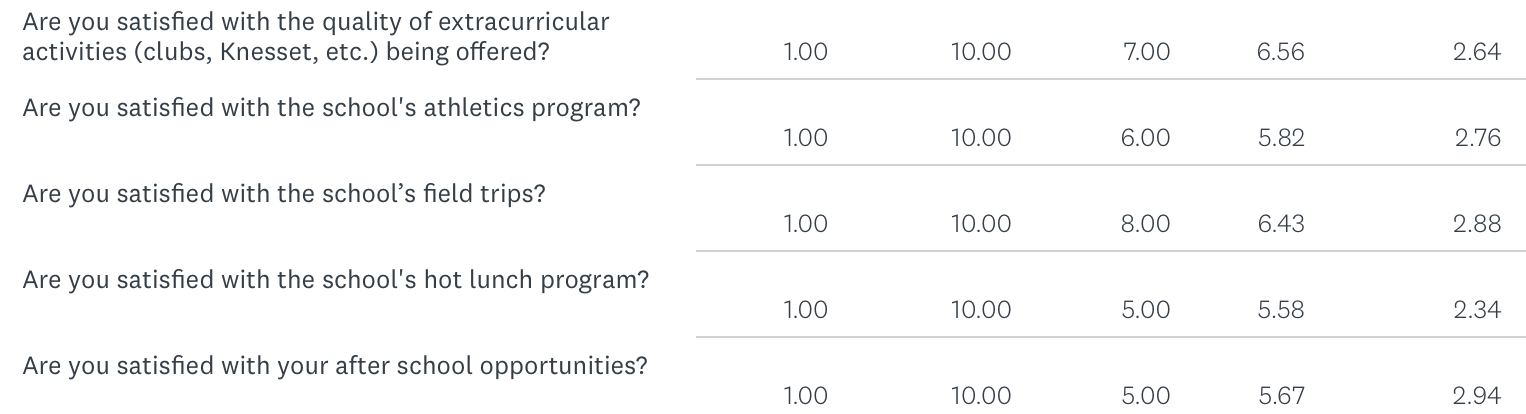
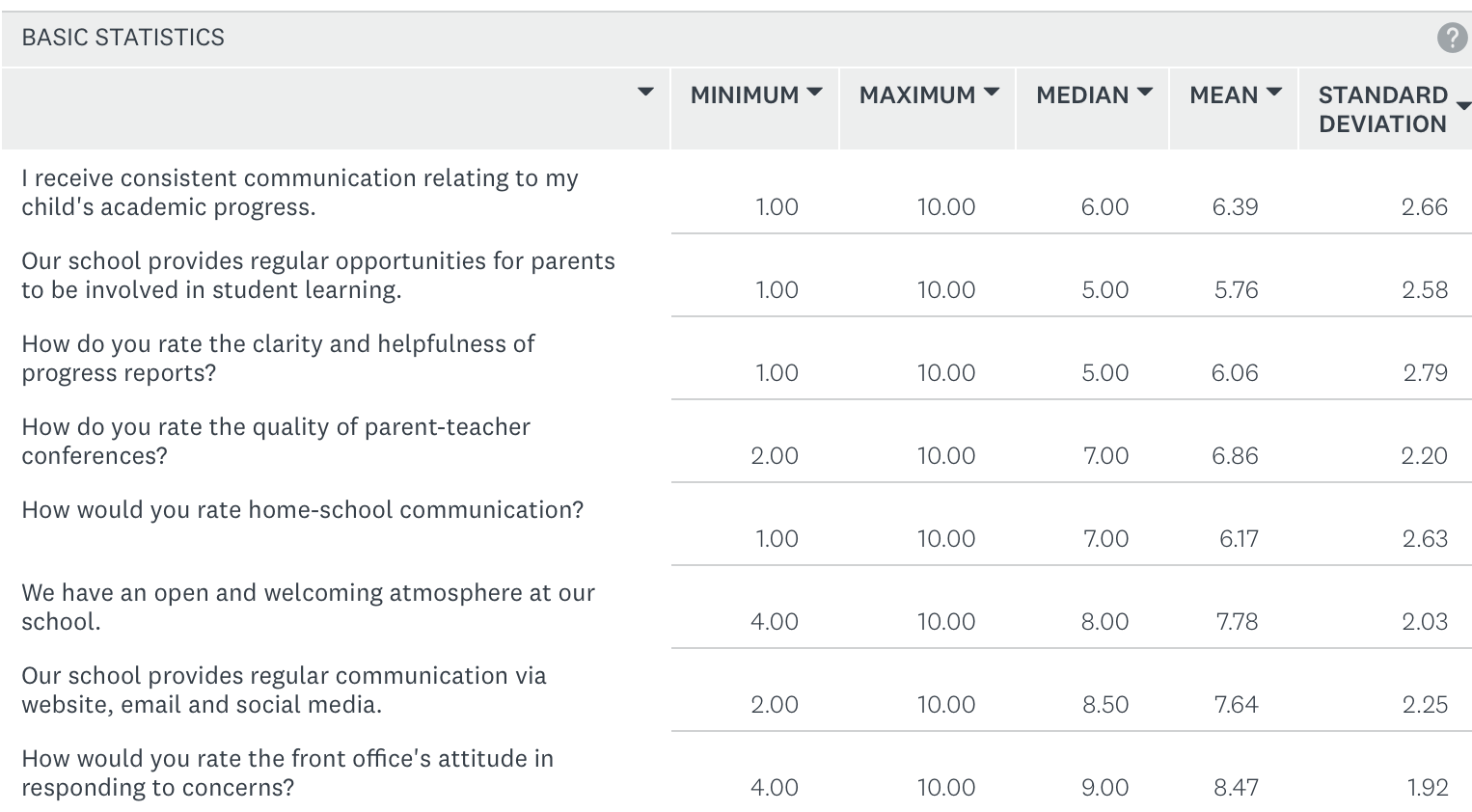
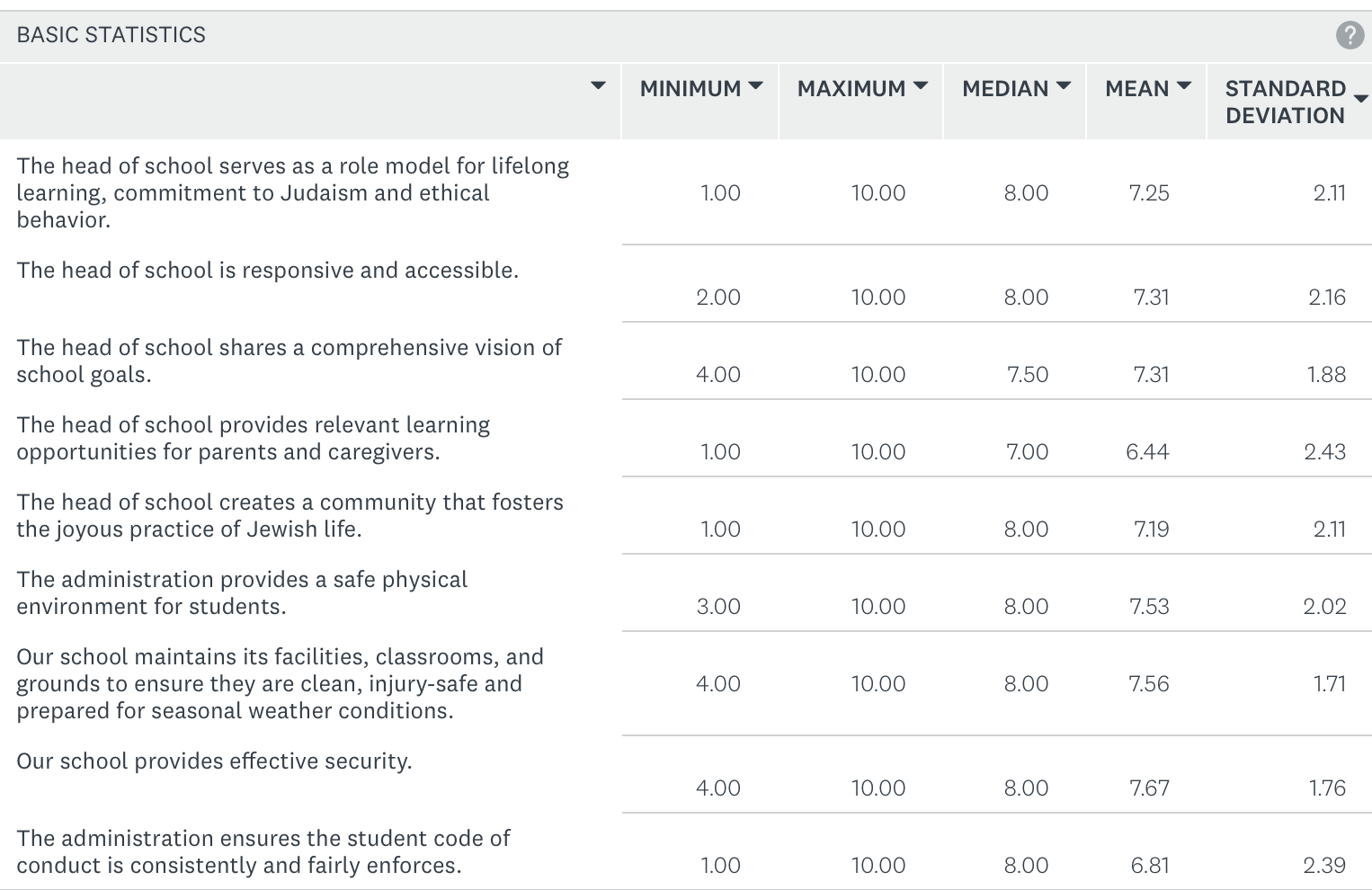
 The first chart gives you the breakdown by category; the second chart gives you the weighted average satisfaction score (out of 10). I will remind you that for this and all categories, I look at the range between 7-9 as the healthy band, obviously wanting scores to be closer to 9 than to 7, and looking for scores to go up each year. In terms of “overall satisfaction”, we have now gone from 7.13 to 7.20 to 8.17 to 7.91 to 8.0 to 7.44 to 7.53. Although it is a tick up from last year, the difference is statistically insignificant.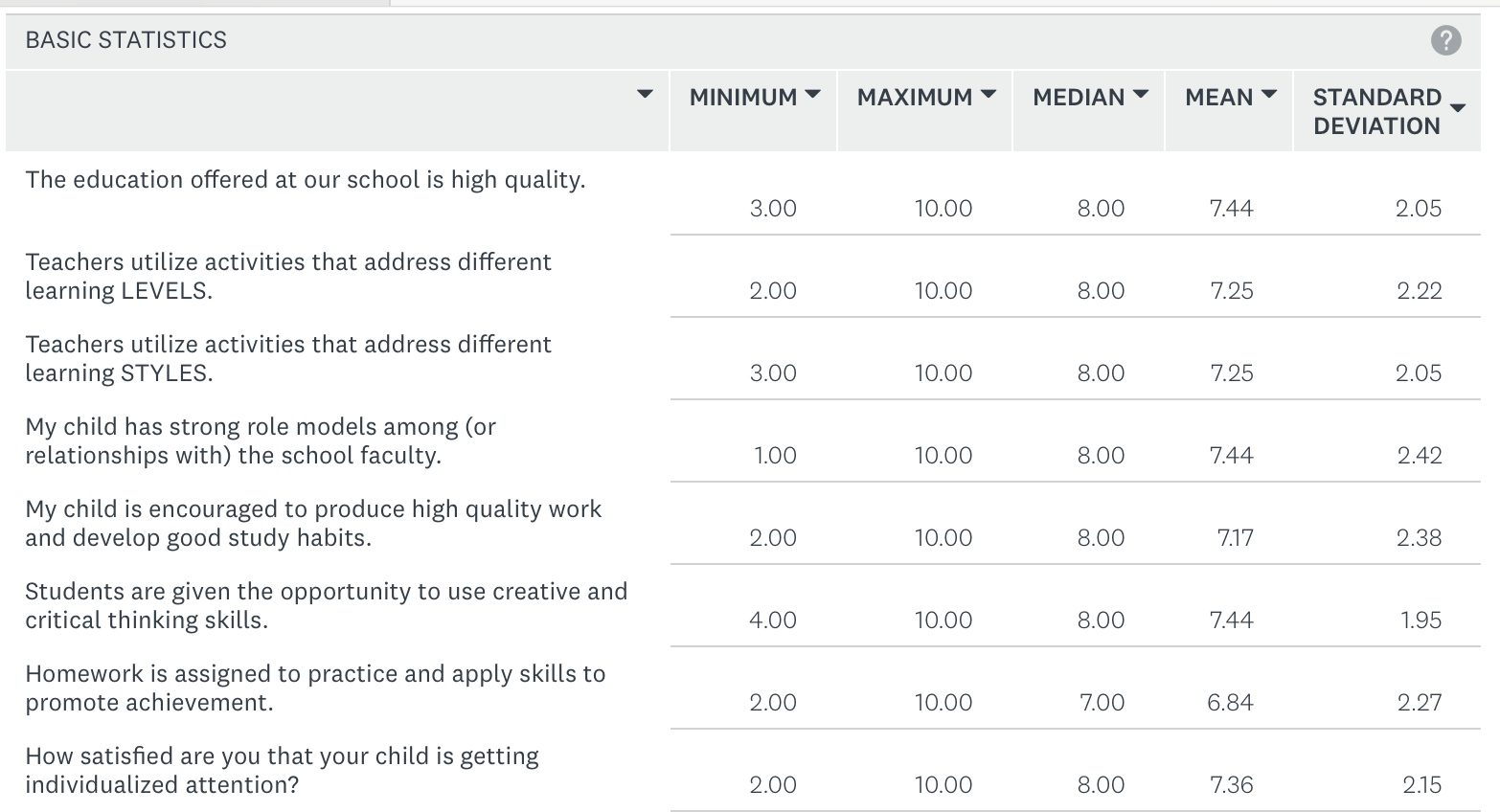



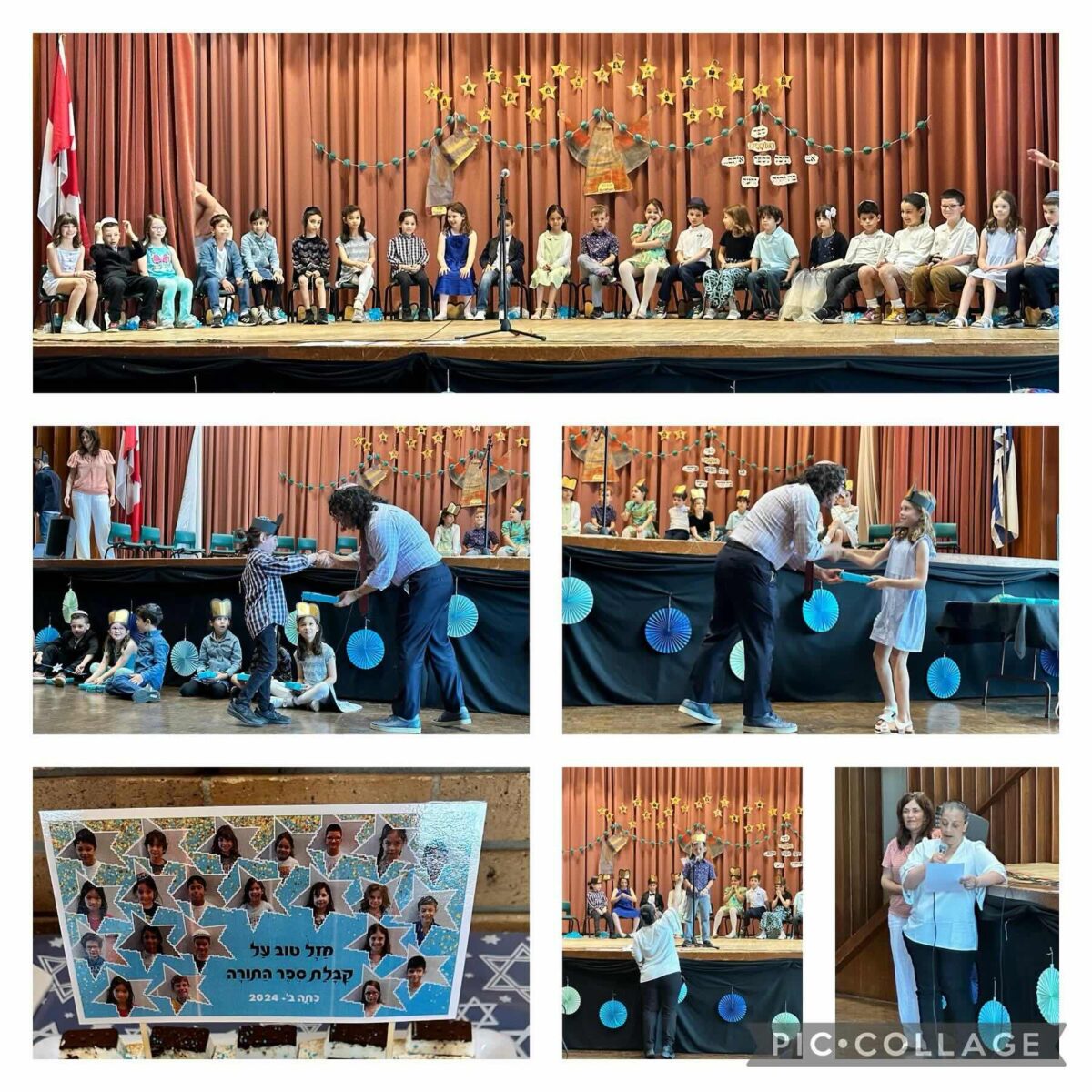
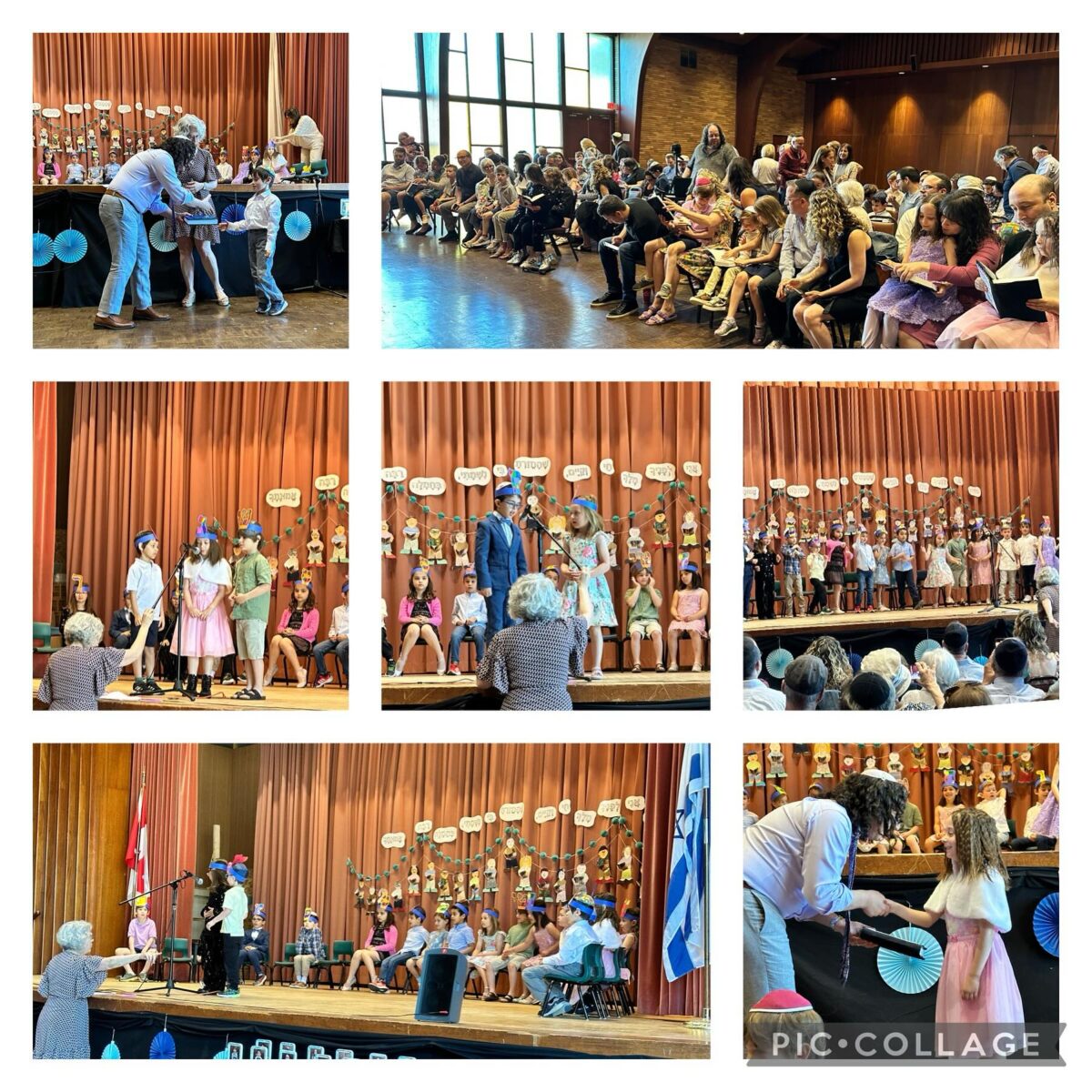


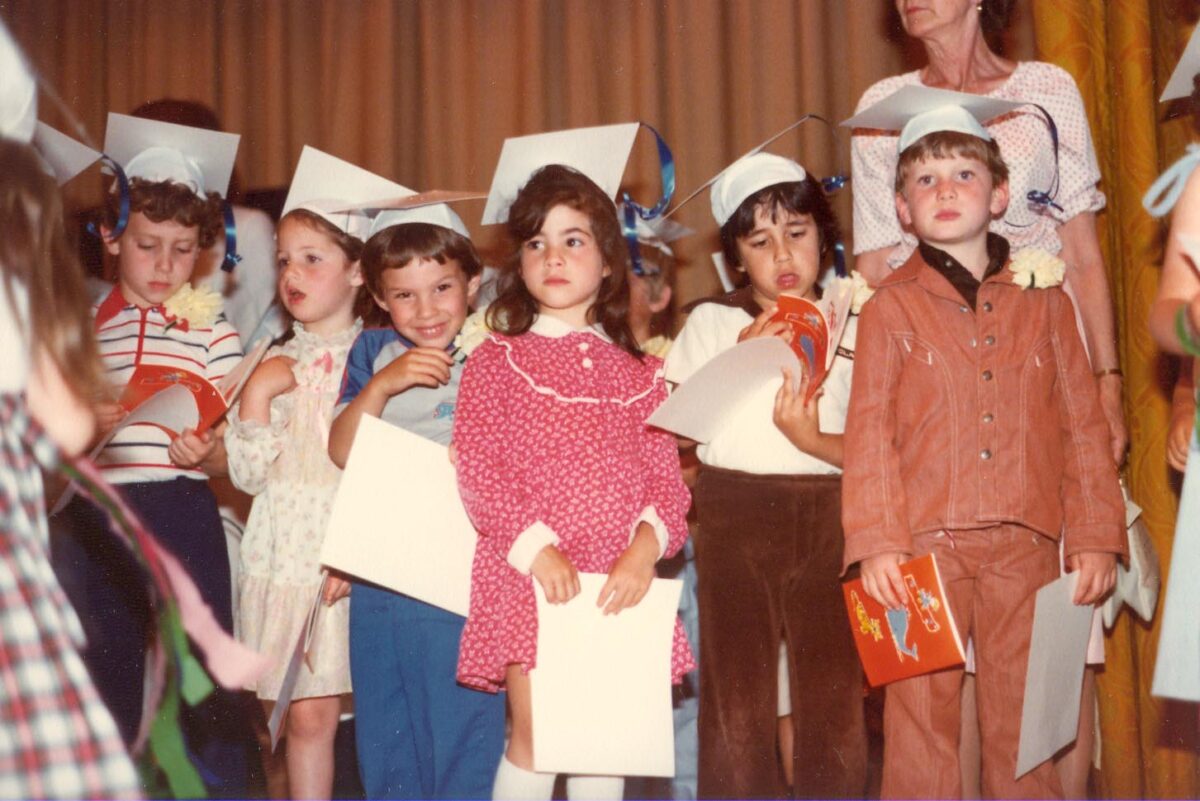
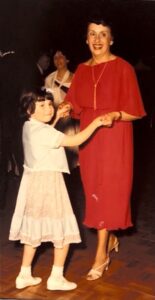 I started at Hillel Academy in 1979 in Nursery, which at the time, was housed at Agudath Israel (now Kehillat Beth Israel) and I danced on the Hebrew alphabet on the floor of the kindergarten room – which I still chuckle because that flooring is still there! In Kindergarten, my teacher was Mrs. Faigel Rosenberg. I remember that I loved Mrs. Roseberg – I adored her. That year, I lost my first tooth and I am sure Mrs. Rosenberg realized I had swallowed it but because she did not want me to feel bad for not having an actual tooth to show for it, she made the whole class look for it. It is not every teacher that would care enough to do that. That same year, my sister and brother had their b’nei mitzvah and my mother said I could invite one friend to the Saturday night party. I chose Mrs. Rosenberg and was thrilled dancing with her. She took the time out of her weekend to be my “date”! That was the start of my experience with Hillel/OJCS teachers and how they treat all their students as extensions of their own families.